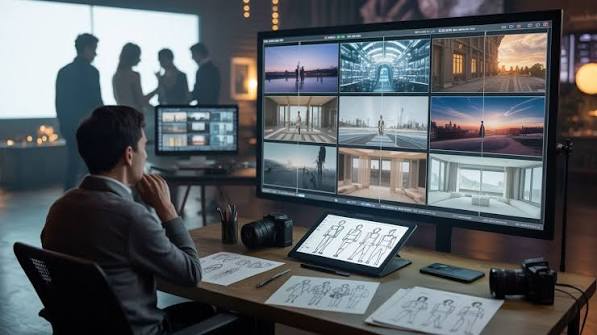
In today’s fast-evolving creative landscape, digital storyboarding has become a cornerstone of efficient, effective project development. Gone are the days when storyboarding was restricted to painstaking, hand-drawn sequences. Modern tools have radically simplified the process, and innovative solutions like FLORA’s storyboard AI have empowered creators to bring their visions to life with agility and precision. From independent filmmakers to large studio teams, digital storyboarding offers a flexible, accessible platform for visual planning. The ability to iterate, collaborate remotely, and leverage AI-powered features streamlines workflows across industries. As technology pushes boundaries, these advancements help teams focus more on creativity and less on repetitive production tasks.
The Shift from Traditional to Digital Storyboarding
Storyboarding originated as a manual process, with artists sketching each scene by hand. While this approach led to beautiful, hands-on results, it left little room for quick edits or efficient coordination. The resurgence of digital solutions has significantly changed this dynamic. Modern tools now allow creators to draft, revise, and arrange panels with unprecedented ease, making the process not only more flexible but also more inclusive for teams of all sizes and backgrounds. With cloud-based platforms, storyboards can now be accessed instantly from anywhere in the world. This digital transformation has enabled filmmakers, animators, advertisers, and even educators to use storyboards as living documents that evolve alongside the creative vision.
Accelerating Pre-Production Timelines
One of the most significant advantages of digital storyboarding lies in the rapid development of pre-production materials. By harnessing powerful software, teams can develop, sequence, and edit complex visual layouts in record time. By cutting the production timeline, creators can devote more time to other essential aspects of their projects. Learn more about how pro-grade tools are changing pre-production.
Enhancing Collaboration Across Teams
The rise of remote work has underscored the importance of collaboration tools that bridge physical distances. Digital storyboarding platforms make it easy for team members to review, contribute, and edit projects in real time. These browser-based solutions enable producers, directors, and clients to provide feedback and approvals instantly, overcoming scheduling barriers and fostering more dynamic creative exchanges. The result is smoother communication and more aligned final outputs for any production.
Integrating AI for Innovative Storytelling
The integration of artificial intelligence into digital storyboarding has added a new layer of innovation. AI tools can interpret written scene descriptions and automatically generate visual representations, dramatically reducing manual workload and sparking fresh creative insights. These advancements help bridge the gap between initial concepts and visualization, making it easier for writers and directors to communicate their ideas to technical teams. AI also helps identify story inconsistencies and offers creative alternatives that might not have been considered otherwise.
Cost-Effective Solutions for Independent Creators
Digital storyboarding is no longer the domain of high-budget productions. Many tools now offer free versions or affordable subscription models, making professional-grade features accessible to educators, indie filmmakers, and content creators. This democratization of technology is essential for nurturing new talent and diverse stories, as it removes traditional barriers associated with costly, specialized production equipment or expertise.
Real-World Applications and Success Stories
The real-world impact of digital storyboarding is evident in its adoption across major productions. Filmmaker Martin Scorsese, for instance, has used AI-powered solutions to enhance his storyboarding workflow. By leveraging generative AI, he efficiently communicates complex visual concepts to his production team, improving execution and creative clarity. High-profile examples like this highlight the practical benefits of digital storyboarding for projects of any scale.
Expanding the Horizons of Visual Communication
Digital storyboarding isn’t just redefining processes for filmmakers and animators; it’s making waves in fields like marketing, education, and even virtual reality. Advertisers are leveraging digital storyboards to pitch campaign concepts to clients, using animations or interactive panels to convey messages before a single frame is shot vividly. Teachers are encouraging students to storyboard their essays or presentations, making abstract concepts easier to visualize. Additionally, as VR and AR technologies become more widespread, digital storyboarding tools are increasingly supporting spatial planning and 360-degree scenes. This evolution invites creators to experiment with narrative forms that interact with viewers in real time, expanding the boundaries of how stories can be told and experienced. Storyboards have found new life in game development as well. Game designers utilize interactive boards to map out branching storylines, gameplay sequences, and level progression, ensuring that visual, auditory, and user-interaction elements are aligned before a project proceeds to expensive development stages. This proactive planning saves both time and resources, minimizes miscommunications, and enables clearer direction throughout game production, resulting in more cohesive and engaging player experiences.
Sustainability and the Digital Transition
Another important yet often overlooked benefit of moving from traditional to digital storyboarding is the environmental impact. Digital workflows drastically reduce the consumption of paper, printing supplies, and physical storage needs. Creative teams have the freedom to iterate and experiment without generating physical waste, aligning production practices with broader sustainability goals. As companies and individuals become more conscious of their environmental footprint, adopting digital solutions is a responsible choice that complements innovation with social responsibility.
Conclusion
Digital storyboarding has ushered in a new era of creative production. By streamlining pre-production, enabling real-time collaboration, and integrating artificial intelligence, these tools help creators turn initial ideas into compelling narratives quickly and efficiently. As digital platforms continue to evolve, the possibilities for innovative storytelling and cross-functional teamwork will grow, making visual storytelling accessible, affordable, and more imaginative for everyone involved. From filmmakers and marketers to educators and designers, digital storyboards provide a flexible way to organize concepts, experiment with ideas, and refine creative direction before final production begins. They also reduce communication gaps by allowing teams to share visual plans, provide feedback, and make adjustments more effectively. With continued advancements in technology, digital storyboarding will remain a powerful resource for bringing ideas to life, enhancing creativity, and shaping the future of modern storytelling.